
The Gut-Brain Connection: How Your Digestive Health Shapes Your Mood
By Carlos Vega
·
Updated ·
5 min read
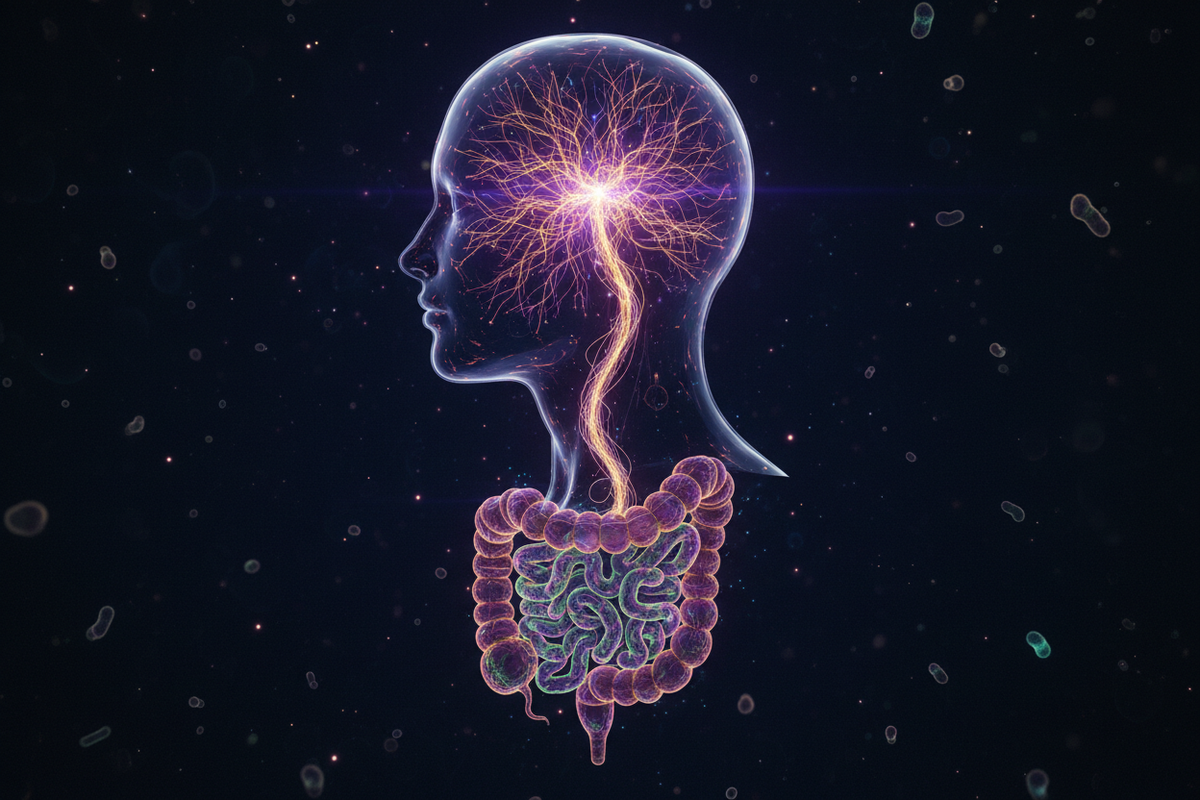
There is a phrase that gets used a lot in functional medicine circles: the gut is the second brain. It sounds like a metaphor, but it is closer to a literal anatomical fact than most people realize. The enteric nervous system, the network of neurons lining your gastrointestinal tract, contains between 100 and 500 million nerve cells, more than either the spinal cord or the peripheral nervous system. And it communicates bidirectionally with the brain through a complex system of neural, hormonal, and immune signals.
The Gut-Brain Axis
The gut-brain axis is the term for this bidirectional communication network. It includes the vagus nerve, which is the longest cranial nerve and the primary highway between the gut and the brain. It includes the immune system, since about 70% of the immune system lives in and around the gut. It includes the endocrine (hormonal) system, since the gut produces dozens of hormones, including ghrelin (hunger), GLP-1 (satiety and blood sugar), and serotonin (mood and motility). And it includes the microbiome, the community of microorganisms in your gut that influence all of the above.
The Serotonin Surprise
Approximately 90 to 95% of the body's serotonin is produced in the gut, not the brain. Serotonin is commonly understood as a brain chemical associated with mood, and it is. But the vast majority of serotonin synthesis happens in enterochromaffin cells in the intestinal lining, where it regulates gut motility and communicates with the enteric nervous system.
Gut microbes are directly involved in serotonin production. Certain bacteria produce metabolites that stimulate enterochromaffin cells to produce more serotonin. Research has found that germ-free mice raised without any gut bacteria have significantly lower serotonin levels. When colonized with specific bacterial strains, serotonin levels normalize.
The Microbiome and Mental Health
Research linking the gut microbiome to mental health outcomes has accelerated significantly over the past decade. Studies have found distinct differences in microbiome composition between people with depression, anxiety, and autism spectrum conditions compared to healthy controls. Fecal microbiota transplant studies in animal models have replicated some depressive behaviors when transplanting gut bacteria from depressed humans into healthy animals, which is striking evidence for the microbiome's influence on mood.
The mechanisms are multiple. Gut bacteria produce short-chain fatty acids (SCFAs) that cross the blood-brain barrier and influence neurotransmitter activity. They produce GABA precursors. They influence vagal nerve activity. They regulate systemic inflammation, which itself affects brain chemistry and mood. Dysbiosis (microbial imbalance) can amplify all of these pathways in ways that worsen mood and stress resilience.
Stress and the Gut
Stress before a presentation, anxiety before a difficult conversation, grief after a loss: all can produce immediate gut symptoms. Nausea, diarrhea, constipation, and cramping in response to psychological states are the gut responding to brain signals through cortisol, adrenaline, and direct autonomic nervous system input.
Chronic stress creates chronic gut disruption: altered motility, reduced digestive enzyme production, increased intestinal permeability, and a shift in microbial composition toward less beneficial species. IBS (irritable bowel syndrome) is now understood as a gut-brain axis disorder rather than a purely digestive one, which explains why psychological approaches including cognitive behavioral therapy and gut-directed hypnotherapy have documented effectiveness for it.
What Supports the Gut-Brain Axis
Fermented foods are the most direct way to introduce beneficial microbial species. Regular consumption of yogurt with live cultures, kefir, kimchi, sauerkraut, and kombucha has been shown to increase microbial diversity and reduce inflammatory markers. A Stanford study published in Cell found that a high-fermented-food diet over ten weeks increased microbiome diversity and reduced immune activation markers more effectively than a high-fiber diet alone.
Prebiotic fiber feeds existing beneficial bacteria. This includes FOS (fructooligosaccharides), inulin, pectin, and resistant starch from foods like garlic, onion, asparagus, bananas, and cooked-and-cooled potatoes.
Probiotics can introduce specific beneficial strains with documented effects on mental health outcomes. Psychobiotics is the term for probiotic strains with specific evidence for mood, anxiety, and stress outcomes. Lactobacillus rhamnosus, Bifidobacterium longum, and certain Lactobacillus helveticus strains have the most clinical evidence in this area.
Reducing gut-disrupting habits matters as much as adding beneficial ones. Ultra-processed food, alcohol, unnecessary antibiotic courses, and chronic stress all shift the microbiome in unfavorable directions.
Frequently Asked Questions
Can gut health affect depression and anxiety?
Research strongly suggests a bidirectional relationship. Gut dysbiosis, inflammation, and altered serotonin production have all been associated with depression and anxiety. Improving gut health through diet, fermented foods, and probiotics shows promising effects on mood outcomes in clinical studies, though this should complement rather than replace appropriate mental health treatment.
What is the vagus nerve and why does it matter for mood?
The vagus nerve is the primary communication pathway between gut and brain. It carries sensory signals from the gut upward to the brain, accounting for about 80 to 90% of its signal traffic. Activities that stimulate vagal activity such as slow breathing, cold exposure, humming, and meditation activate the parasympathetic nervous system and have measurable calming effects on both gut and brain.
Do probiotics help with anxiety?
Several clinical trials have found that specific probiotic strains (particularly Lactobacillus and Bifidobacterium species) reduce anxiety and stress scores compared to placebo. A meta-analysis in the journal Nutrients found significant improvements in depression and anxiety symptoms from probiotic supplementation. Effects are generally modest, and probiotic strains vary considerably in their evidence base.
This content is for educational purposes only and does not constitute mental health or medical advice. If you are experiencing mental health symptoms, please consult a qualified healthcare provider.
Related reading
- Best Magnesium for Calm and Evening Wind Down
- Best Magnesium Supplement: How to Choose the Right One


